
Energy Storage & Grid Balancing

“Managing the wide-scale introduction of intermittent renewable energy sources into electricity transmission networks is essential for ensuring the stability and flexibility of the grid, especially in an HVDC context. Innovative, hybrid storage solutions will enable us to do this.”
Sylvain Grillet, Department Director – Energy Storage & Grid Balancing
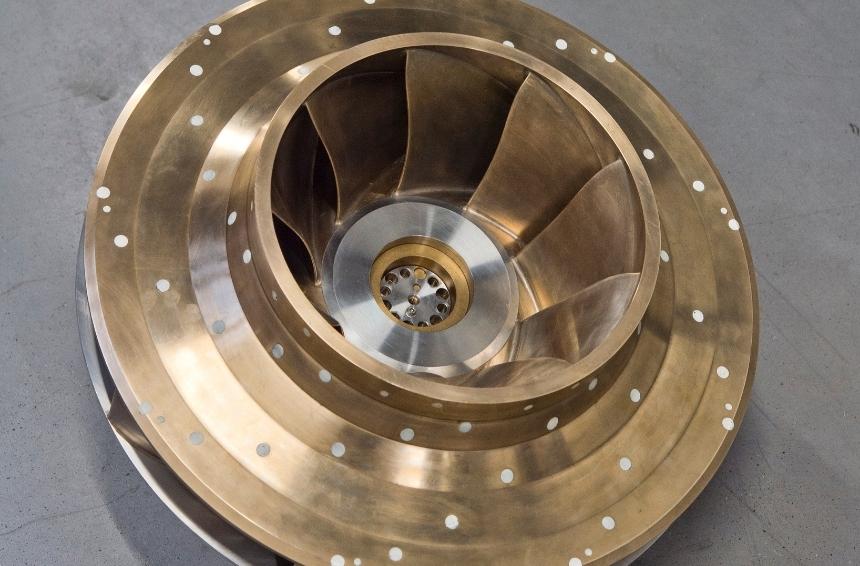
To support the integration of renewable energies within the European electricity network, the Energy Storage & Grid Balancing department adapts and develops hydraulic storage solutions based on the use of pumped storage plant (PSP) technology.
Because wind and solar energy are highly variable, using them on a wide scale requires massive and reactive means of storage. Although hydraulic storage is a mature technology – today it represents 97% of electrical energy storage worldwide – it must be significantly adapted to meet the challenges of the energy transition.
We focus on adapting conventional or variable speed pump turbines and improving their hydraulic characteristics. We also study the hybridisation of PSPs with other means of storage, exploring the economics of ancillary services.
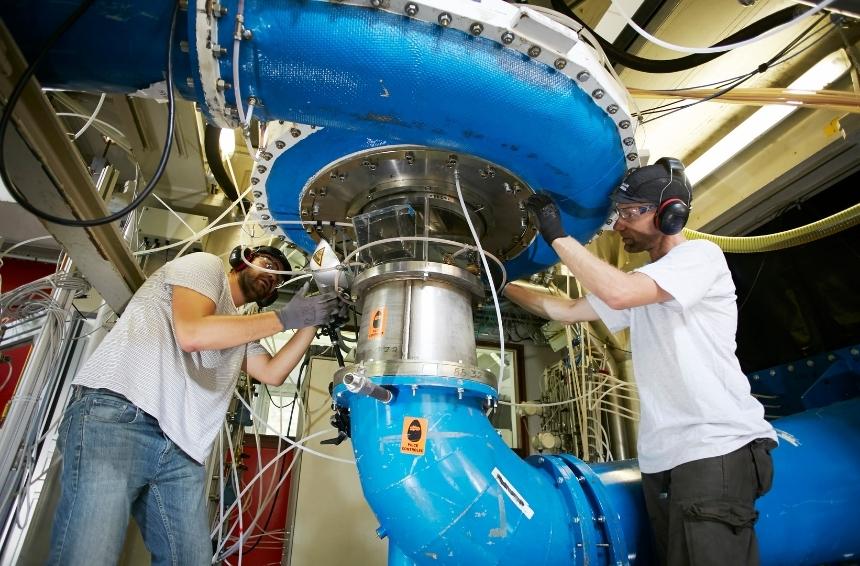
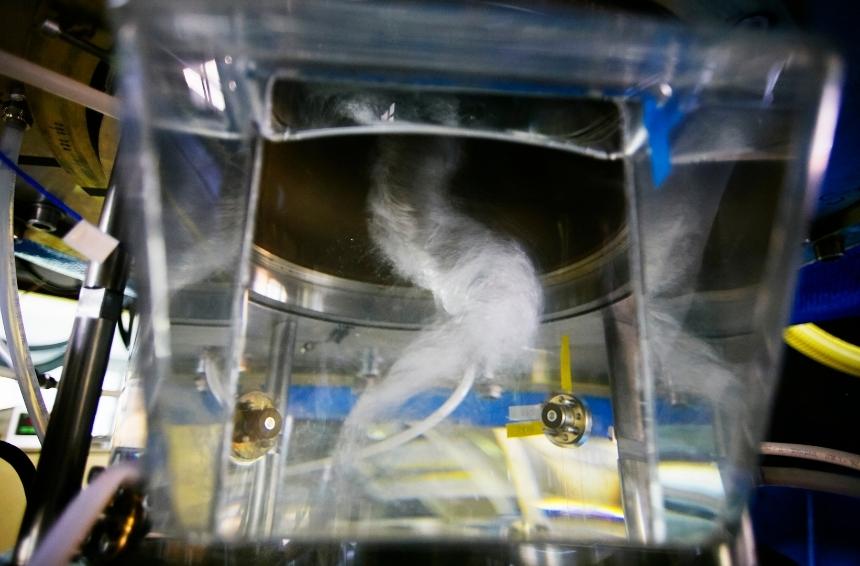
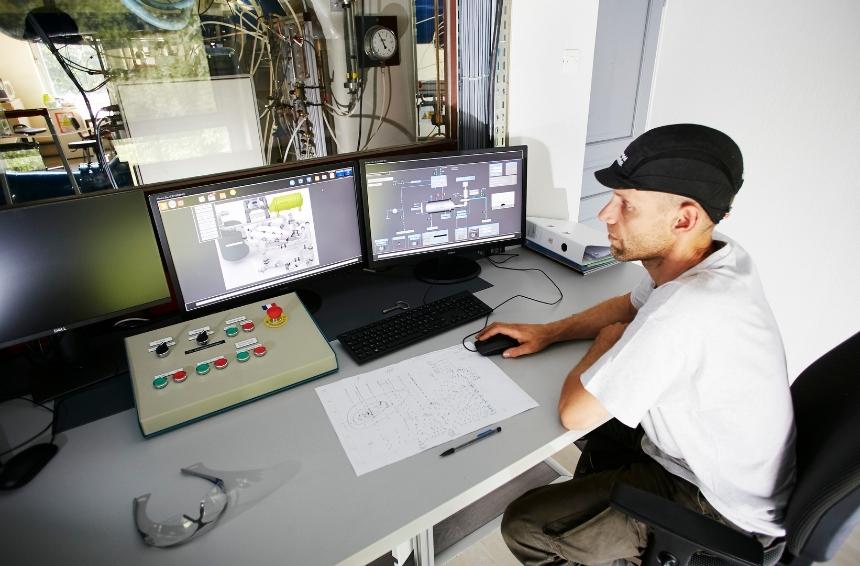
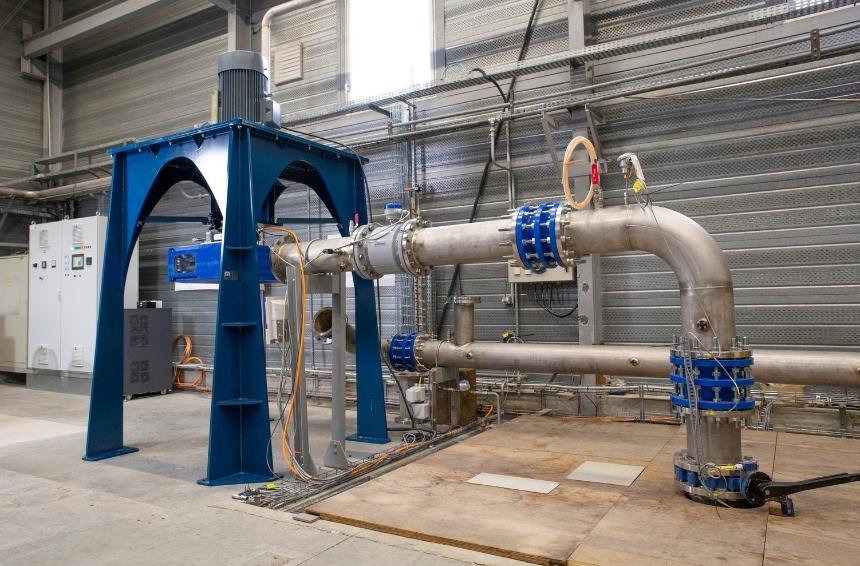
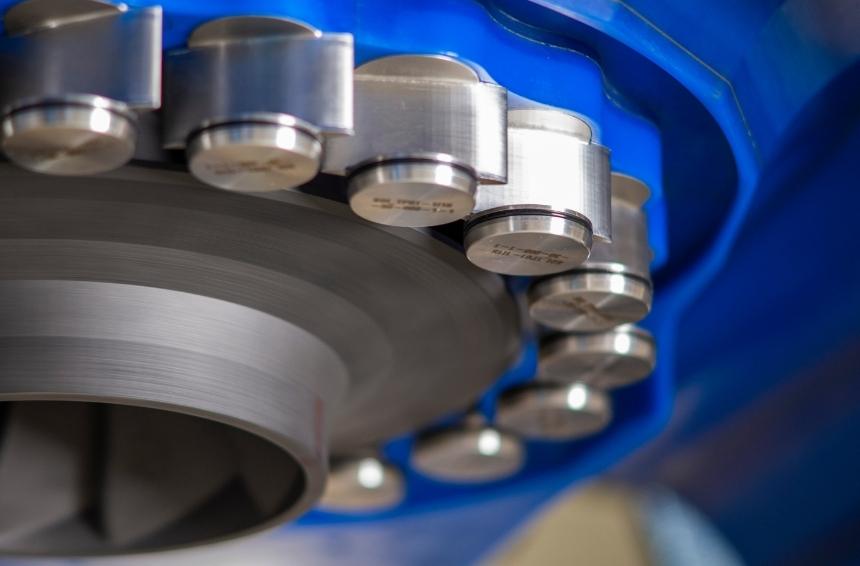
SuperGrid Institute’s hydraulic platform makes it possible for us to test every kind of reversible pump turbine in all four quadrants, gathering data on efficiency, cavitation and dynamic behaviour according to IEC 60193 standard requirements.
Another platform, HydroPHIL, simulates the performance of hydroelectric dams. It focuses on hydraulic transitions within the power grid and, more generally, on unsteady regimes associated with the operation of hydraulic turbines: power build-up, start-ups, shutdowns, etc.
Recent publications
Advancing hydropower innovation: presenting our hydraulic test results to the BILASURF consortium
All members of the Bilasurf project met at SuperGrid Institute’s Hydropower headquarters in Grenoble, the 15th and 16th of December 2025.
Influence of MMC control philosophies on Multi-Terminal HVDC Design and Expandability
the influence of different control philosophies for Modular Multi-level Converters on the design of MTDC grids’ control and protection is investigated and discussed.
Interview with Sylvain Grillet, Director of Energy Storage & Grid Balancing
Sylvain leads our Department of Energy Storage & Grid Balancing and explores the world of hydraulic energy and flexibility.