

Unlock the full flexibility of your hydraulic assets
A comprehensive panel of technologies & studies for hydropower plants
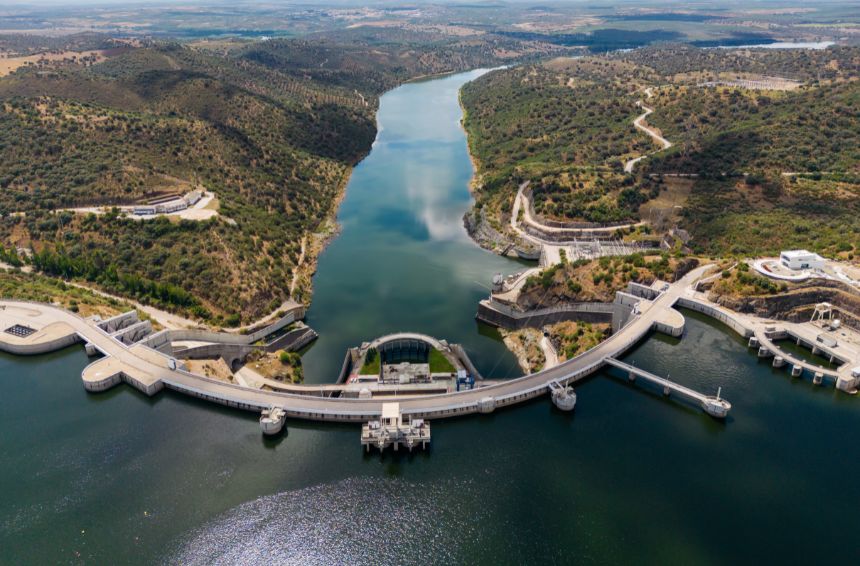
Hydropower is already one of the most flexible renewable energy resources, but evolving grid requirements call for even greater responsiveness.
By enhancing existing hydropower assets with advanced technologies, operators can unlock additional flexibility and better support grid stability. In particular, these upgrades enable faster and more reliable frequency response capabilities, allowing hydropower plants to meet the growing demands of modern power systems.
As an independent company, SuperGrid Institute provides studies, test platforms and innovative technologies related to hydroelectric performance, storage and flexibility systems.
Increasing power generation flexibility
We help our clients anticipate the future flexibility requirements of power grids and increase their revenues by accessing new emerging markets of ancillary services.
Anticipate the early ageing of your equipment
Optimise water management
Boost revenues: access new energy markets
We support utilities, manufacturers, EPC and developers in the optimisation of their hydraulic assets, be they associated with renewables or not.

Innovative hybridisation technologies
We have developed innovative hybridisation technologies
to add value to your hydroelectric assets.
Hydropower and Battery Energy Storage Systems (BESS)
Combining hydropower plants with Battery Energy Storage Systems (BESS) enhances operational flexibility and supports the integration of renewable energy sources.
Through advanced control strategies and Energy Management Systems (EMS), hybrid hydro-BESS solutions can improve grid support capabilities, facilitate ancillary services provision and create additional value for asset owners.
SuperGrid Institute provides studies, design and validation services to support the deployment of efficient and reliable hybrid systems.
Hydro + BESS in a nutshell
A Battery Energy Storage System (BESS) or supercapacitor can be combined with a hydropower plant and coordinated through an advanced Energy Management System (EMS). The resulting hybrid system operates as a single flexible asset.
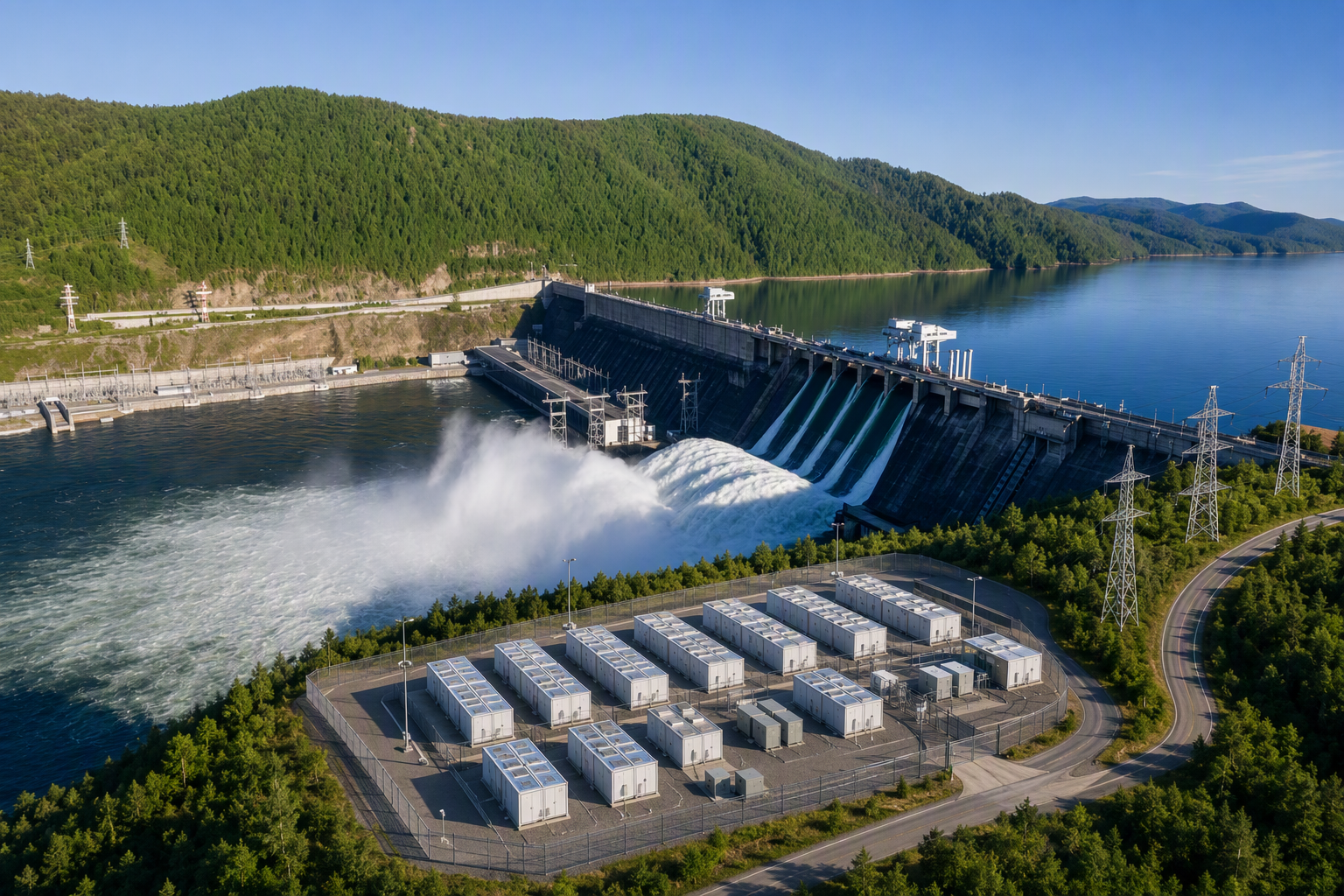
Deploy the right control to manage hybrid power station
Electricity producers are paid for the power and services they can provide to supply electricity and support the electrical grid. However, the operating range of most hydropower plants includes dead bands where operation is not possible due to machine limitations or constraints between generating units.
SuperGrid Institute’s advanced control solution expands the usable operating range of hydraulic assets, helping operators unlock additional flexibility and value. Applicable to PSP, Francis and Kaplan turbines, this solution supports both new projects and refurbishment programmes.
From feasibility studies to validation on HydroPHIL® and implementation support, SuperGrid Institute accompanies customers throughout the deployment of the solution.
Bringing benefit to the grid both for isolated and interconnected grids
As power systems integrate increasing shares of renewable energy, hydropower assets must provide greater flexibility while maintaining efficient operation. Combining hydropower with energy storage solutions enables operators to better manage variability, support grid stability and unlock additional value from existing assets.
In isolated or islanded power systems, maintaining the balance between generation and demand can be particularly challenging when integrating renewable energy sources. Hybrid hydro-BESS solutions provide fast-response flexibility, improve power quality and help maximise the penetration of solar and wind generation while preserving hydraulic equipment. This hybridisation avoid using polluting power generation methods such as gas turbines or diesel generators.
Key applications in short
- Renewable integration
- Grid stability
- Enhanced performance
For interconnected power systems, hybridisation enhances the ability of hydropower plants to deliver flexibility services such as frequency regulation and secondary reserve. By coordinating hydraulic assets and battery storage through advanced control systems, operators can improve their asset capacities to market participation and optimize revenues.
Key applications in short
- Ancillary services
- Secondary reserve
- Revenue optimisation
Small-scale pumped-storage plants (mini-PSP) offer additional opportunities to support renewable integration and local or distributed grid flexibility. Combined with advanced control strategies and energy storage technologies, these assets can contribute to balancing intermittent generation while improving the overall economic performance of the project.
Key applications in short
- Mini-Pumped Storage
- Renewable integration
- Local flexibility
- Enhanced project economics
Our references

Study of hybridisation solutions
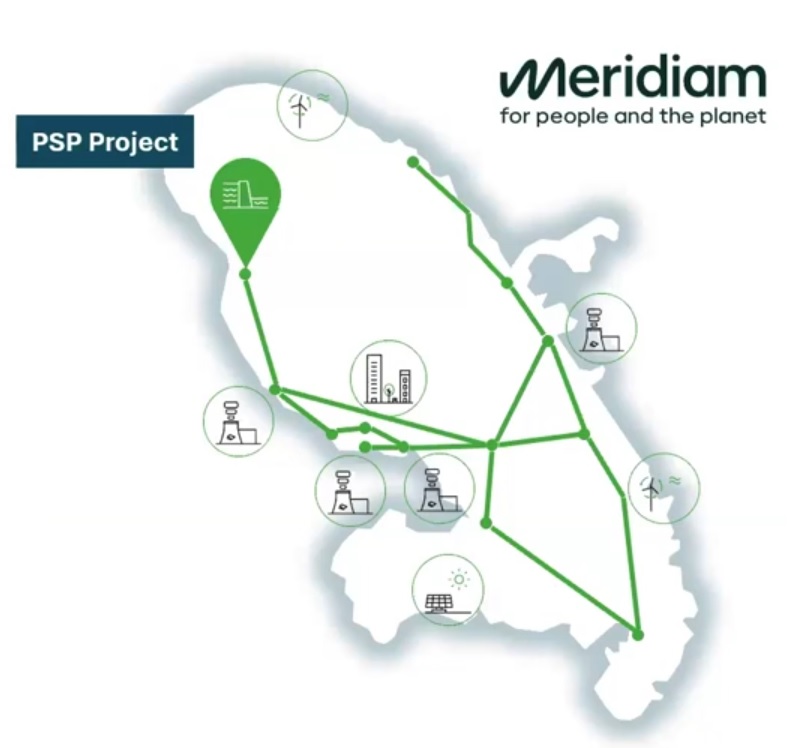
Specification & profitability evaluation

Techno-economic study of hybridising

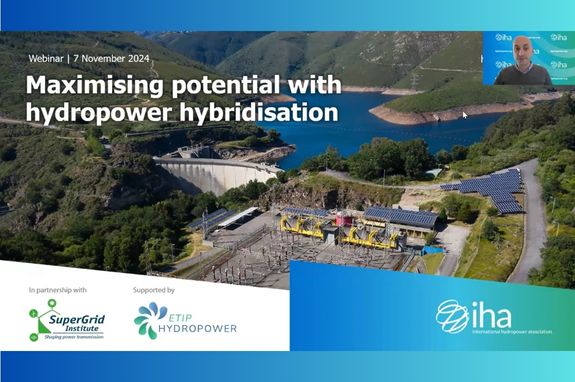
Improving
hydropower flexibility


Contact our expert
Camille Prud’Homme, Business Development Manager