

Hydropower & Flexibility Lab

“Managing the wide-scale introduction of intermittent renewable energy sources into electricity transmission networks is essential for ensuring the stability and flexibility of the grid, especially in an HVDC context. Innovative, hybrid storage solutions will enable us to do this.”
Sylvain Grillet, Department Director – Energy Storage & Grid Balancing
To support the integration of renewable energies within the European electricity network, the Energy Storage & Grid Balancing department adapts and develops hydraulic storage solutions based on the use of pumped storage plant (PSP) technology.
Because wind and solar energy are highly variable, using them on a wide scale requires massive and reactive means of storage. Although hydraulic storage is a mature technology – today it represents 97% of electrical energy storage worldwide – it must be significantly adapted to meet the challenges of the energy transition.
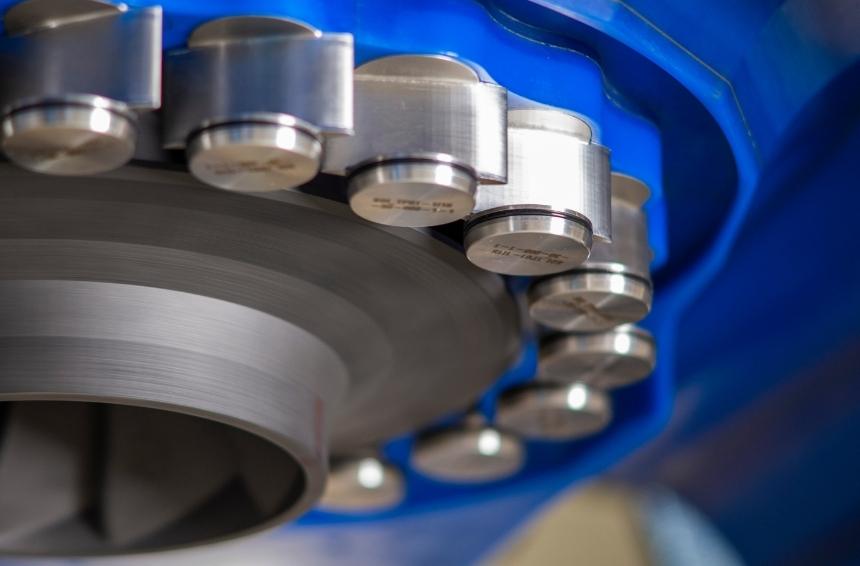
We focus on adapting conventional or variable speed pump turbines and improving their hydraulic characteristics. We also study the hybridisation of PSPs with other means of storage, exploring the economics of ancillary services.
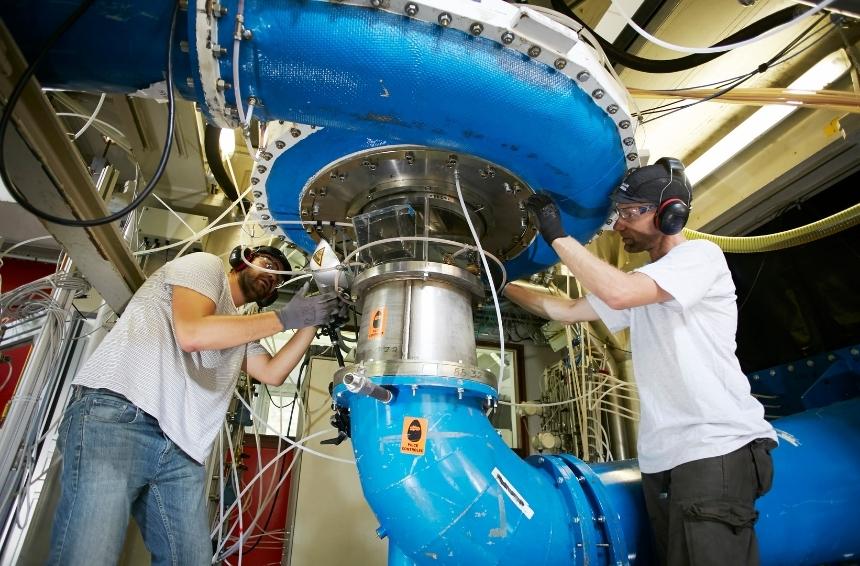
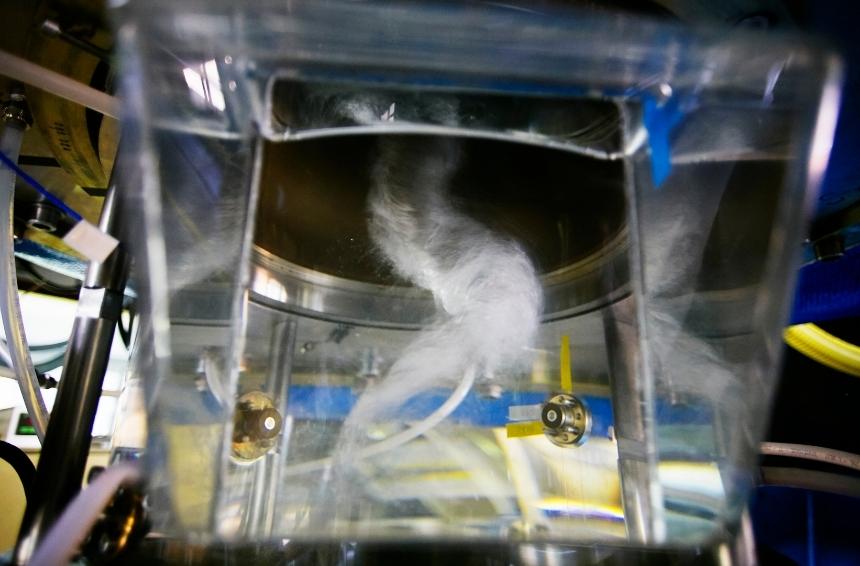
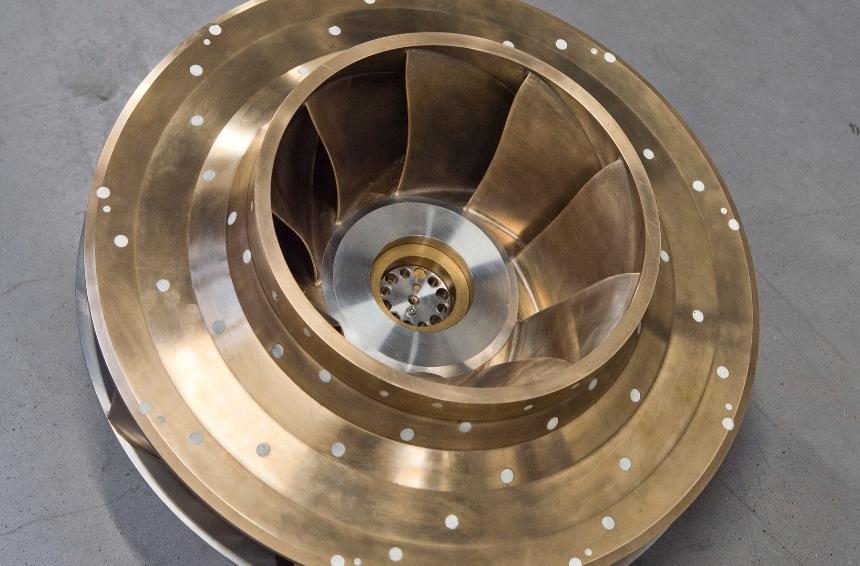
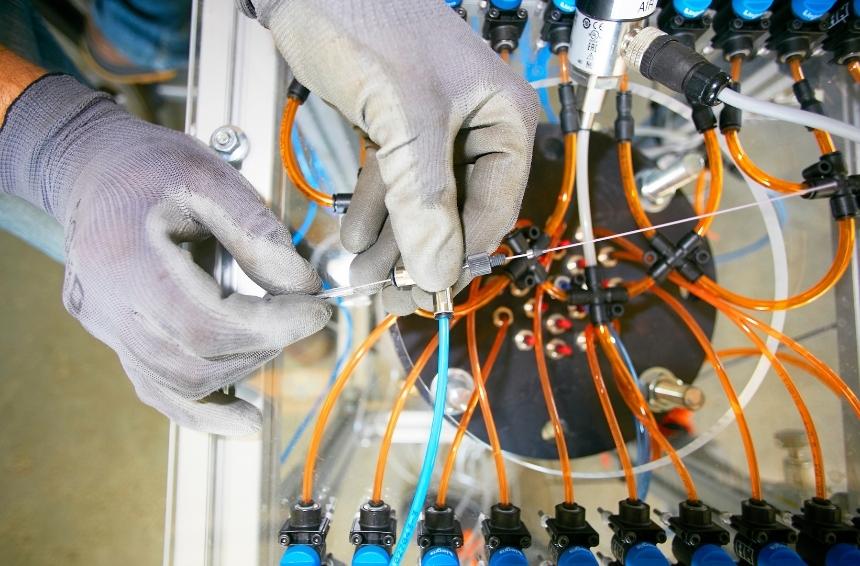
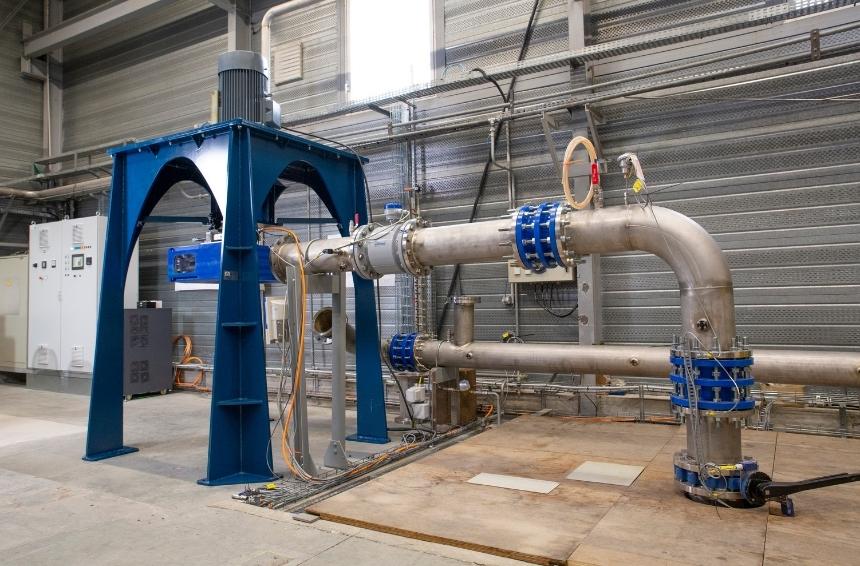
SuperGrid Institute’s hydraulic platform makes it possible for us to test every kind of reversible pump turbine in all four quadrants, gathering data on efficiency, cavitation and dynamic behaviour according to IEC 60193 standard requirements.
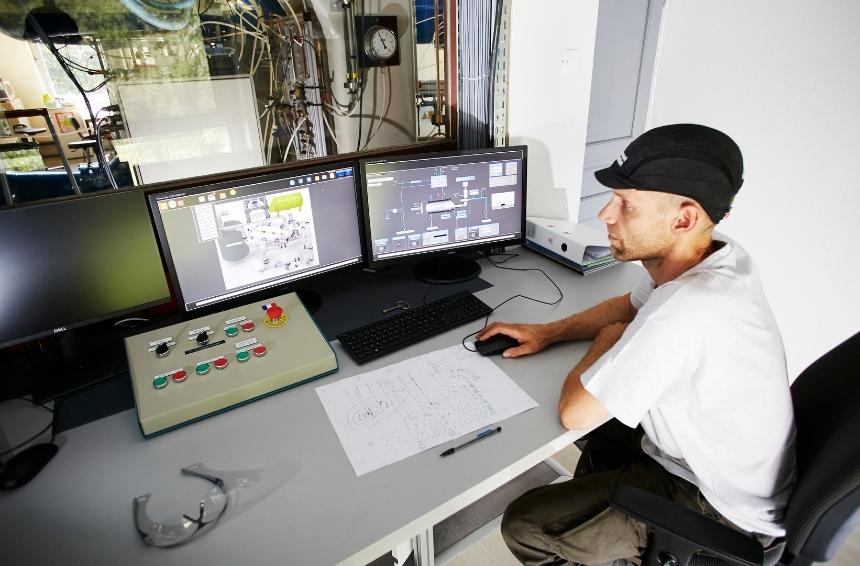
Another platform, HydroPHIL, simulates the performance of hydroelectric dams. It focuses on hydraulic transitions within the power grid and, more generally, on unsteady regimes associated with the operation of hydraulic turbines: power build-up, start-ups, shutdowns, etc.
Recent publications
Hybrid hydro-PV-BESS in drought prone basins: water and energy co benefits from Manantali to interconnected grids
This study analyses Hydropower Hybridisation with solar PV and battery storage at the Manantali complex. Results show how Hydropower Hybridisation can save water, preserve firm energy production and reduce turbine fatigue with BESS.
Experimental and Numerical Investigation of Water Column Separation with Air Injection in a Francis Type Model Hydraulic Circuit
This study investigates Water Column Separation in hydraulic systems during load rejection. Tests and simulations assess pressure surges, air injection as a mitigation strategy, and the influence of guide vane closing rates.
Upgraded Control Strategies to Safeguard Resiliency in Hybrid AC-DC Networks: A Focused Overview of the State of the Art
An overview of advanced control strategies that improve stability and resilience in hybrid AC/DC networks with HVDC and multiterminal DC systems.

Contact our expert
Camille Prud’Homme, Business Development Manager