
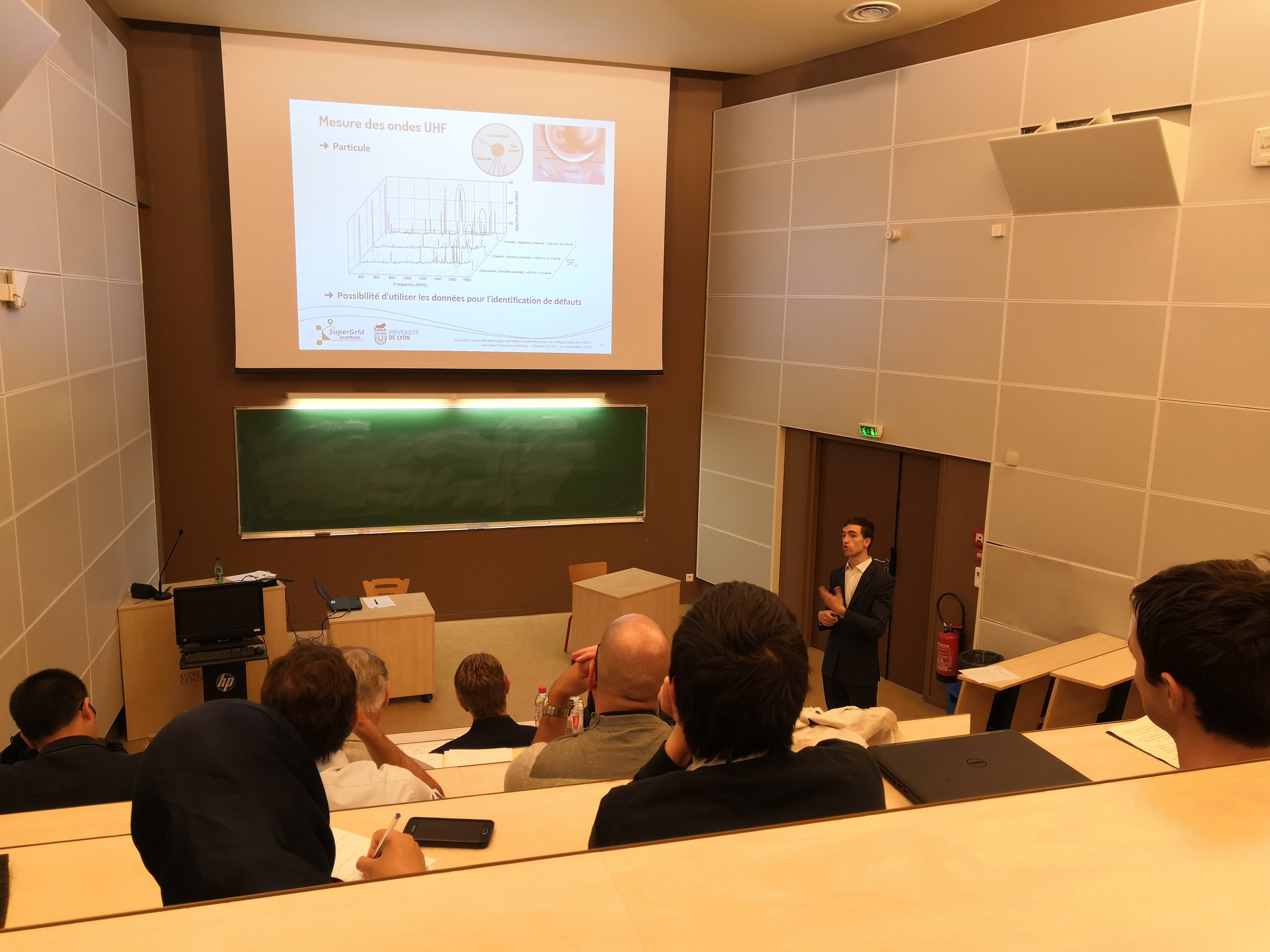
PhD Etienne OUSS “Characterization of Partial Discharges and Defect Identification in High-Voltage Direct Current GIS”

2021-08-11T17:42:53+02:00September 25th, 2018|Appareillage électrique haute tension, Phd, Tout|

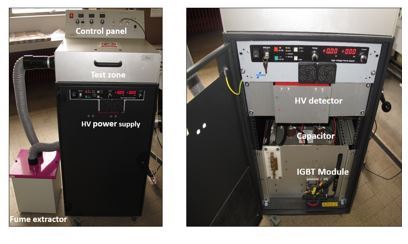
This thesis aimed to characterize partial discharges in DC gas-insulated substations, and to develop an automatic defect identification tool. The first step of this work was the development of a partial discharge measuring bench. The complete study has been performed in a GIS section, so that the results can be directly applied to industrial equipment.
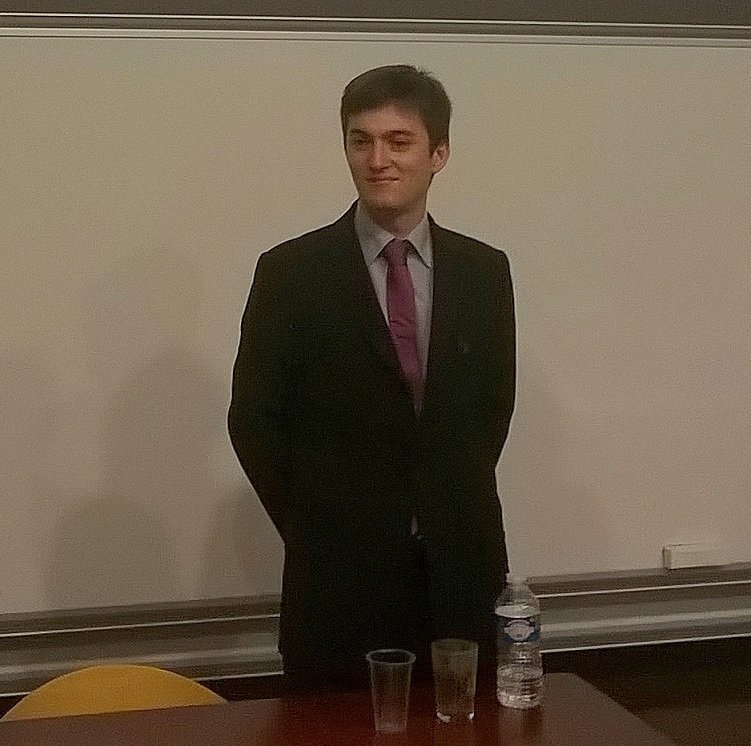
PhD William LEON GARCIA “Protection strategy for HVDC networks”

2021-08-11T17:42:58+02:00January 26th, 2018|Architecture & systèmes du supergrid, Phd|

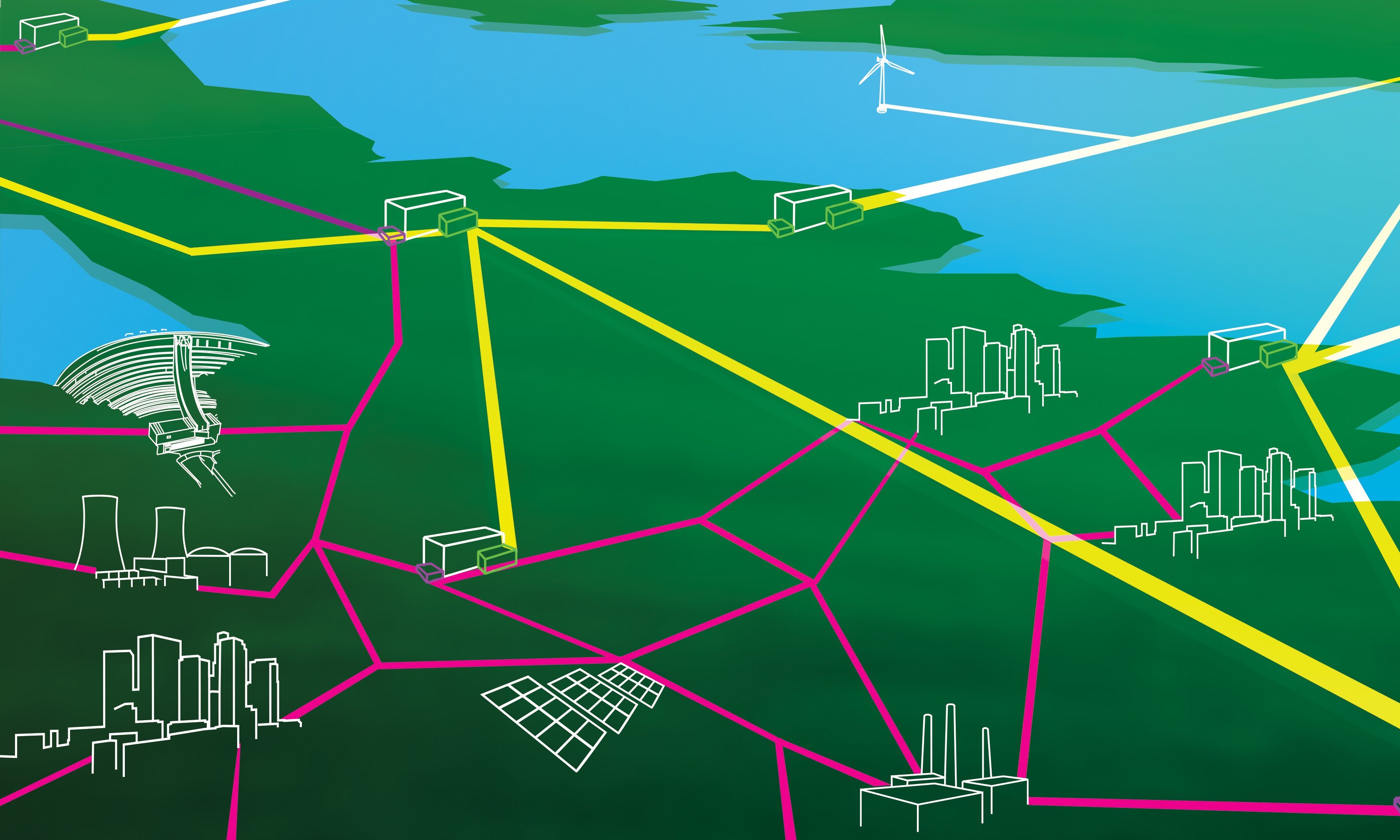
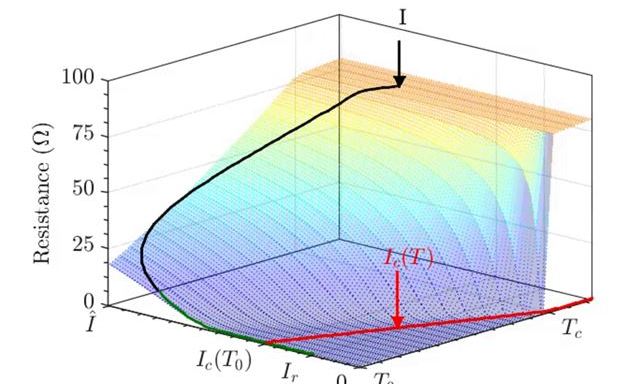
Multi-terminal high voltage direct current (MTDC) grids, or supergrids, are considered an interesting solution to integrate large amounts of renewable power and release congestion of existing AC power grids. Nonetheless, safe and reliable operation of such grids require the development of new DC protection systems.

PhD Swann GASNIER “Decision support framework for offshore wind farm electrical networks: Robust design and assessment under uncertainties’’

2021-08-11T17:44:51+02:00January 2nd, 2018|Architecture & systèmes du supergrid, Phd|

Large offshore wind farms will be important players within the future energy landscape. What is the expected benefit for a project is an essential issue from Investor side, considering both technical and economic aspects. Levelized Cost Of Energy - LCOE - is a standard economic indicator which allows to assess the economic viability of a project.

Phd Ahmed ZAMA “Modeling and Control of Modular Multilevel Converters (MMCs) for HVDC applications”

2021-08-11T17:44:08+02:00October 13th, 2017|Architecture & systèmes du supergrid, Phd|

Common understanding today is that the challenges to develop the SuperGrid are huge at many levels (e.g.: political, societal, economical, financial, scientific, technical…). It is also commonly accepted that the SuperGrid will require novel technologies (breakers, cables, converters…) and operating principles (e.g.: transition from a more passive essentially AC-based power system to a more active AC/DC-based one). This thesis deals with the development of a key actor for SuperGrid technology, that is, AC/DC converters.

PhD Justine BILLORE “Thermal aging of XLPE for HVDC cables”

2018-10-08T14:43:46+02:00July 21st, 2017|Phd, Systèmes de câbles haute tension|

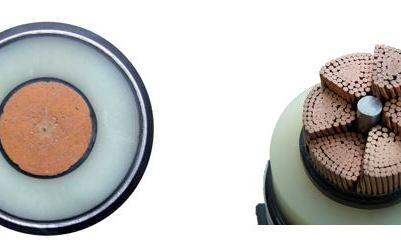
To connect the different points of the network, the transmission and distribution of electric power used cables. Since few years, cables and especially their insulation part are evolving, going from paper insulation to a synthetic insulation. Nowadays, the insulation part of HVDC cables is in crosslinked polyethylene or XLPE.

PhD Justine BILLORE “Thermal aging of XLPE for HVDC cables”

2021-08-11T17:44:13+02:00July 21st, 2017|Phd, Systèmes de câbles haute tension|

To connect the different points of the network, the transmission and distribution of electric power used cables. Since few years, cables and especially their insulation part are evolving, going from paper insulation to a synthetic insulation. Nowadays, the insulation part of HVDC cables is in crosslinked polyethylene or XLPE.

PhD Ilyas DCHAR “Design of a “fail-to-short” power module for HVDC applications”

2022-11-30T10:39:38+01:00July 3rd, 2017|Electronique de puissance & convertisseurs, Phd|

High Voltage Direct Current (HVDC) converters are composed of hundreds of semiconductor switches connected in series to sustain the rated voltage of the converter (several hundred of kilovolts). Because of the large number of switches, it is highly probable that at least one of them will fail during the lifetime of the converter. Such failure should not cause the entire converter to shut down, despite the series connexion of the switches. As a consequence, each switch should be designed so that upon failure, it becomes a short circuit and keeps carrying the current (“fail-to-short” behaviour).

PhD Ilyas DCHAR “Design of a “fail-to-short” power module for HVDC applications”

2022-11-30T10:39:39+01:00July 3rd, 2017|Electronique de puissance & convertisseurs, Phd|

High Voltage Direct Current (HVDC) converters are composed of hundreds of semiconductor switches connected in series to sustain the rated voltage of the converter (several hundred of kilovolts). Because of the large number of switches, it is highly probable that at least one of them will fail during the lifetime of the converter. Such failure should not cause the entire converter to shut down, despite the series connexion of the switches. As a consequence, each switch should be designed so that upon failure, it becomes a short circuit and keeps carrying the current (“fail-to-short” behaviour).

Go to Top