

Architecture & systèmes du supergrid
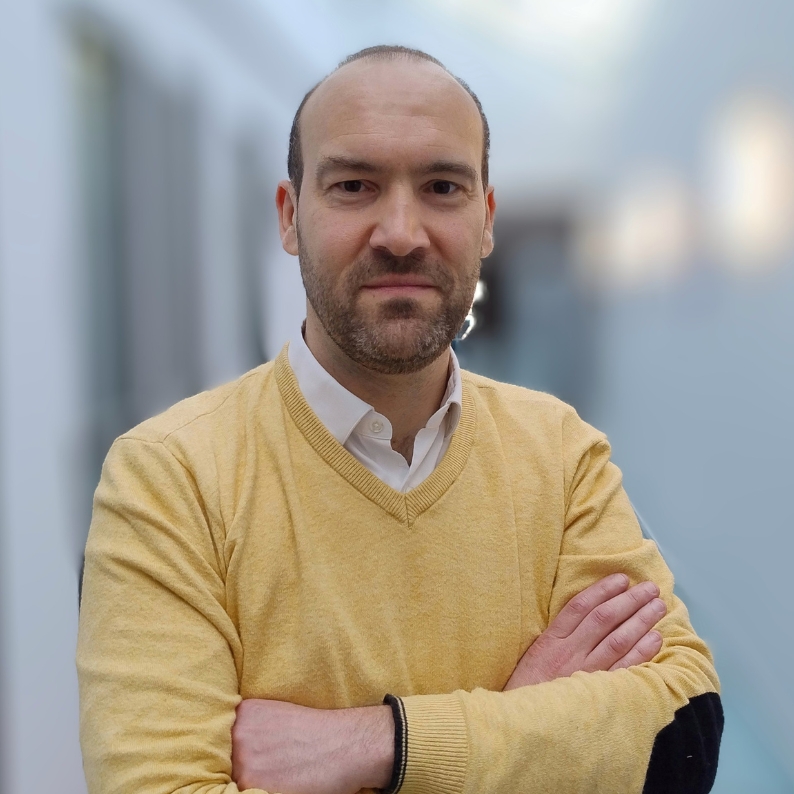
“Pour réussir la transition énergétique, les réseaux électriques doivent avoir la capacité d’intégrer massivement des énergies renouvelables, via des composants en courant continu (DC). SuperGrid Institute met à disposition son expertise pour développer les technologies et les méthodes d’analyse associées afin de garantir le bon fonctionnement des réseaux AC et DC interconnectés.”
Jean-Baptiste HEYBERGER, Directeur du département Architecture & systèmes du supergrid
Les experts de SuperGrid Institute s’efforcent de relever les défis techniques auxquels sont confrontés les réseaux à courant continu. Nous développons des technologies pour contrôler et protéger la stabilité des réseaux HVDC et MVDC, qui doivent être beaucoup plus dynamiques que les réseaux en courant alternatif (AC).
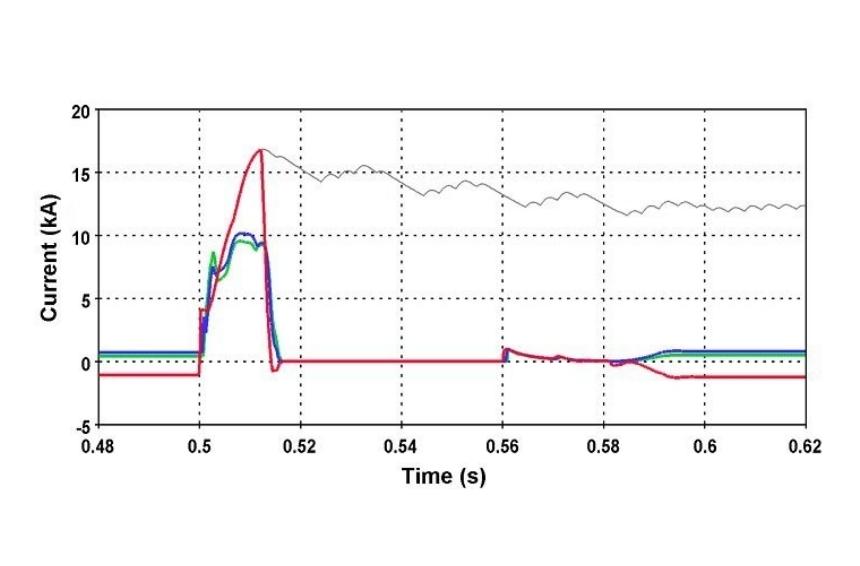
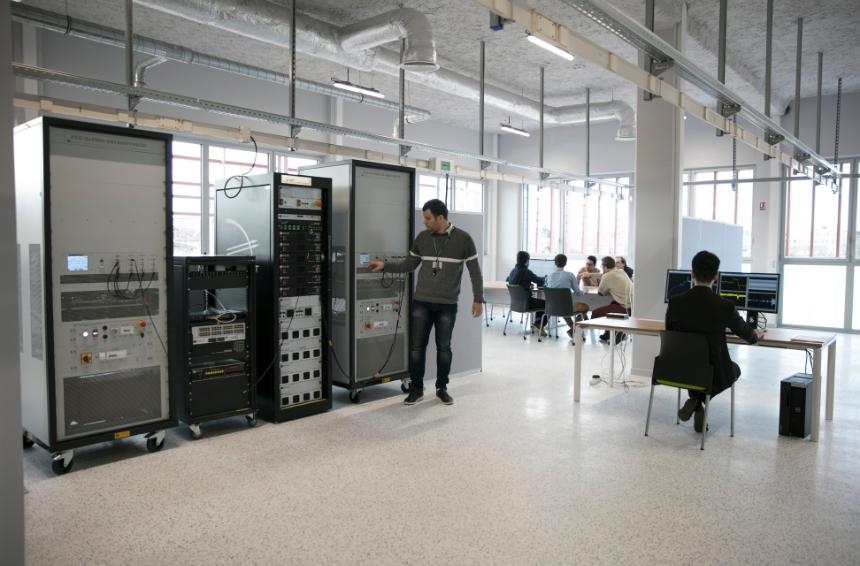
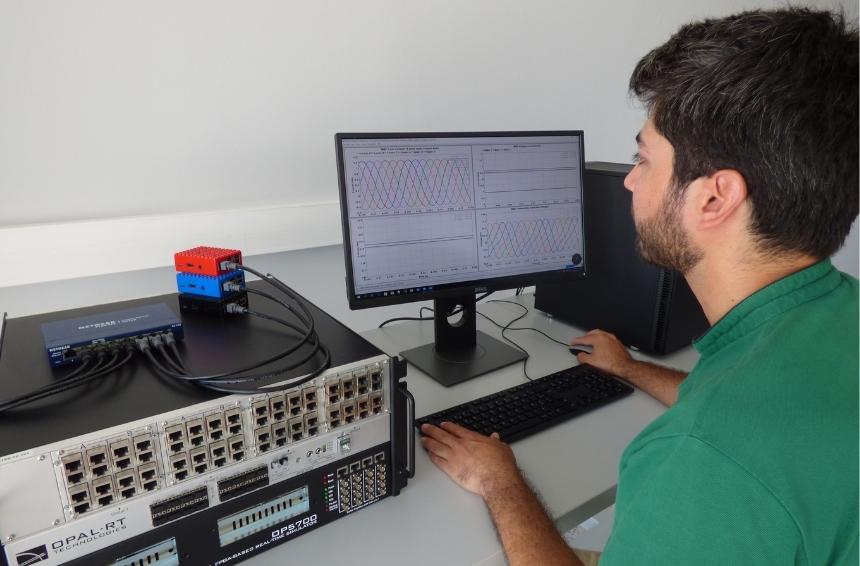
La définition des exigences relatives aux composants clés des réseaux en courant continu (DC) ou des systèmes d’alimentation combinés AC/DC, ainsi que la conception et la simulation des performances techniques de ces systèmes sont au cœur de notre travail. Nous utilisons des simulations transitoires électromagnétiques en temps réel avec des modèles intégrés précis des systèmes de contrôle des convertisseurs de puissance pour démontrer comment un système se comportera lorsqu’une nouvelle technologie sera intégrée au réseau (par exemple une nouvelle stratégie de protection).

Nos projets de recherche incluent :
Publications récentes
Characterization and tests of the HTS tape and the preliminary pancake for the RSFCL of the SCARLET project
Characterisation of HTS tapes and a first superconducting pancake coil for an RSFCL developed within the SCARLET project.
An optical magnetometer toward measurements of low current magnitudes for high voltage power transmission applications
A Zeeman-effect magnetometer measures magnetic fields from leakage currents in HVDC cable insulation, supporting insulation condition assessment.
Surface Charge Measurements in Non-Uniform Pressurized Air Gaps with a Dielectric Barrier
Surface charge measurements investigate dielectric barrier behaviour in pressurized air gaps, supporting compact SF₆-free GIS design.

Contactez notre expert
Jean-Baptiste HEYBERGER, Directeur de département