SuperGrid Institute
Votre partenaire innovation & recherche
DÉVELOPPANT LES RÉSEAUX ÉLECTRIQUES DU FUTUR
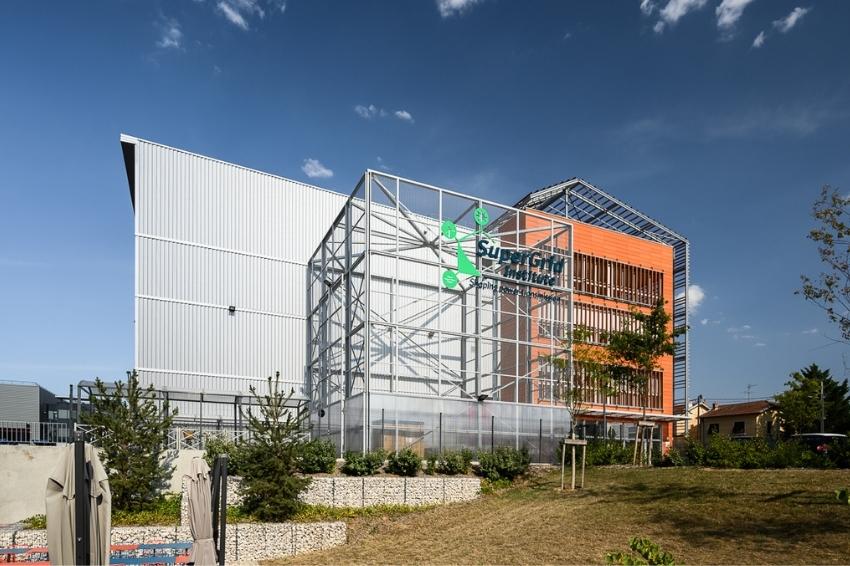
L’Institut
Nous sommes une entreprise d’innovation et de recherche indépendante dédiée au développement des technologies en courant continu pour les futurs systèmes de transport et de distribution d’électricité.
À une époque où il est de plus en plus important de réduire notre dépendance à l’égard des combustibles fossiles et de diminuer les émissions de gaz à effet de serre, nous fournissons de solides innovations technologiques à nos clients et partenaires pour accélérer le développement des futurs réseaux électriques et l’intégration massive des énergies renouvelables.
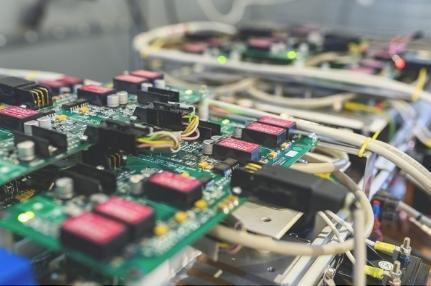
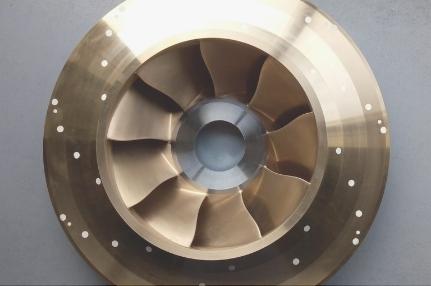
SuperGrid Institute offre une gamme
complète de technologies & services




























Impliqué dans l’écosystème
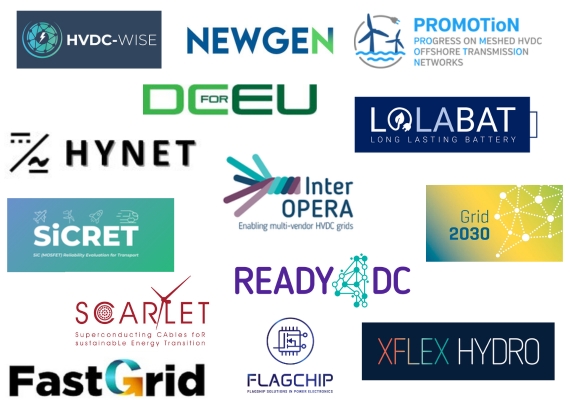
En raison de son rôle important dans la construction du futur réseau électrique, SuperGrid Institute participe à de nombreux projets internationaux, que ce soit en tant que partenaire ou leader. Notre expertise, nos installations d’essai de pointe et notre capacité à innover et à proposer des solutions qui répondent aux besoins du marché sont de plus en plus reconnues par nos partenaires.
Notre offre formation
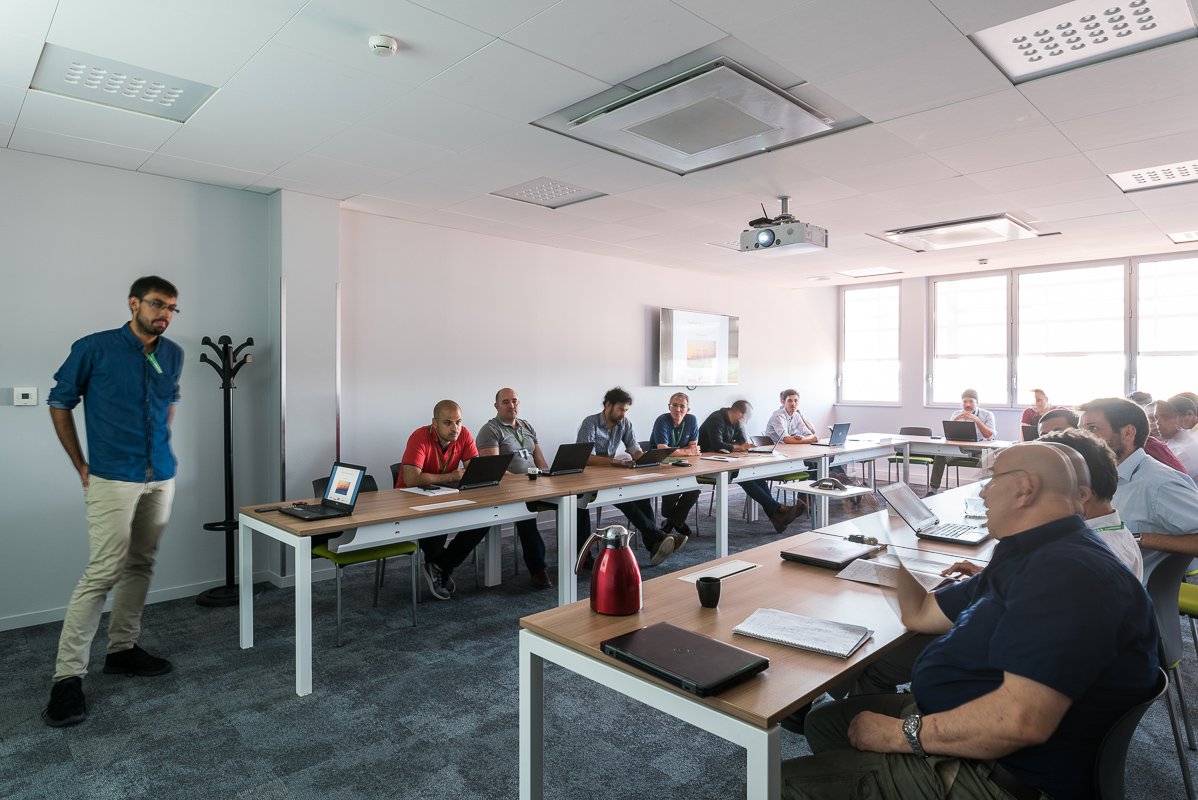
Alors que le secteur de l’énergie explore de nouvelles façons d’augmenter la capacité, d’intégrer des sources d’énergie renouvelables à grande échelle et d’électrifier des processus industriels exigeants, les technologies HVDC et MVDC constituent des options stratégiques clés. Les systèmes à courant continu offrent des solutions alternatives aux défis que les méthodes traditionnelles ne peuvent pas toujours résoudre efficacement.
Que votre objectif soit de perfectionner les compétences de vos équipes d’ingénieurs ou de fournir à vos cadres supérieurs des informations stratégiques, nos programmes de formation apportent à votre organisation les connaissances dont elle a besoin pour agir en toute confiance.
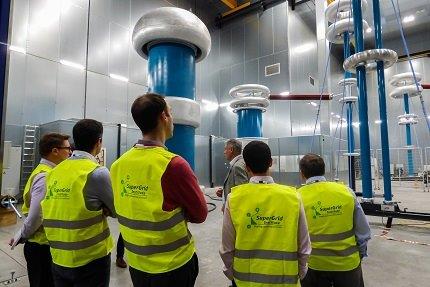
SuperGrid Institute en un coup d’oeil
Nos dernières actualités
Expanding the Frontiers of Hydropower Innovation
Hydropower operators must deliver greater flexibility, extend operating ranges and modernise ageing assets while limiting technical and investment risks. Discover practical engineering approaches and industrial case studies in our new white paper.
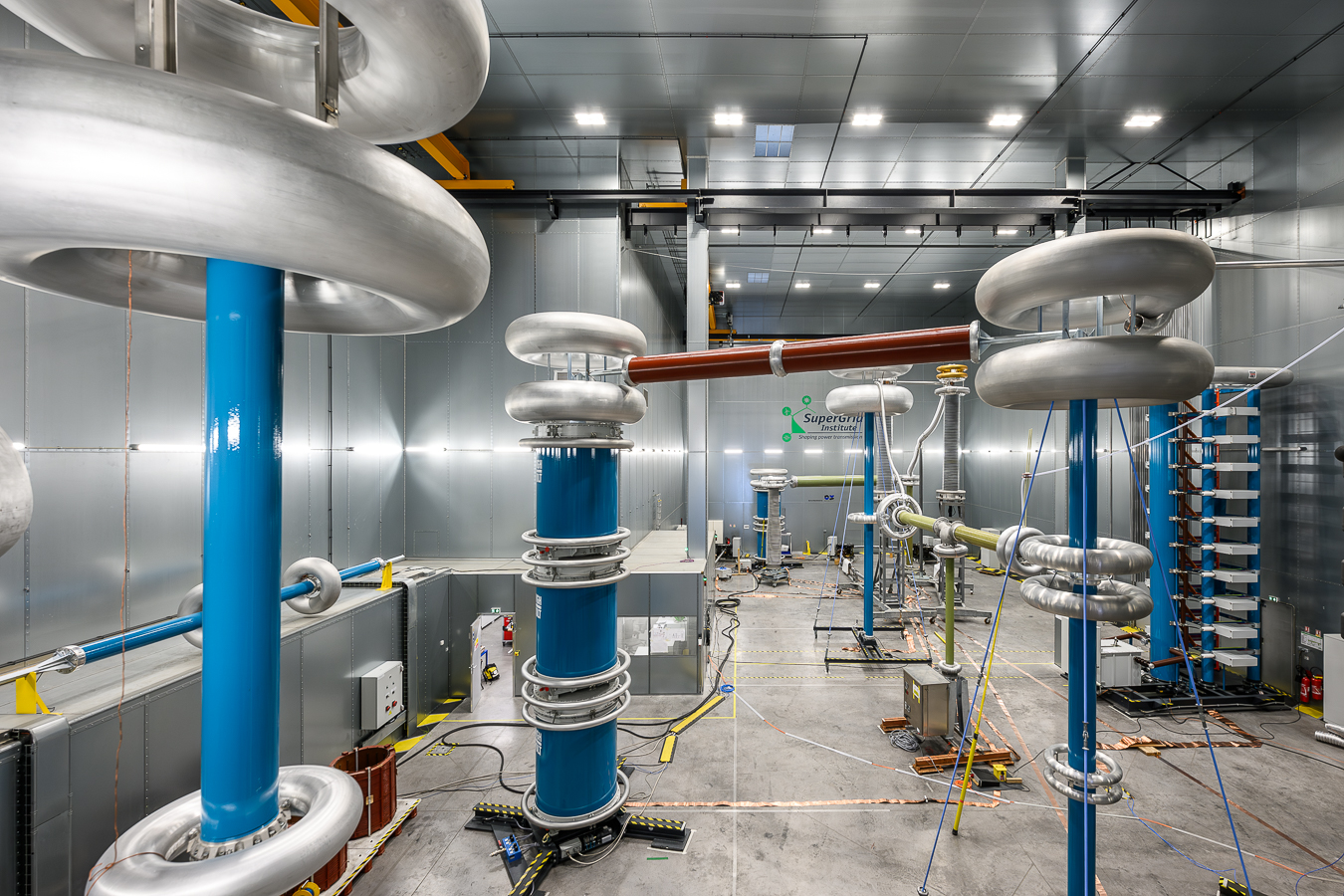
Remplacement du SF₆ : de la pression réglementaire aux défis du déploiement industriel
Le remplacement du SF₆ entre dans une phase de déploiement industriel, avec de nouveaux enjeux de conception, de qualification et de fiabilité.
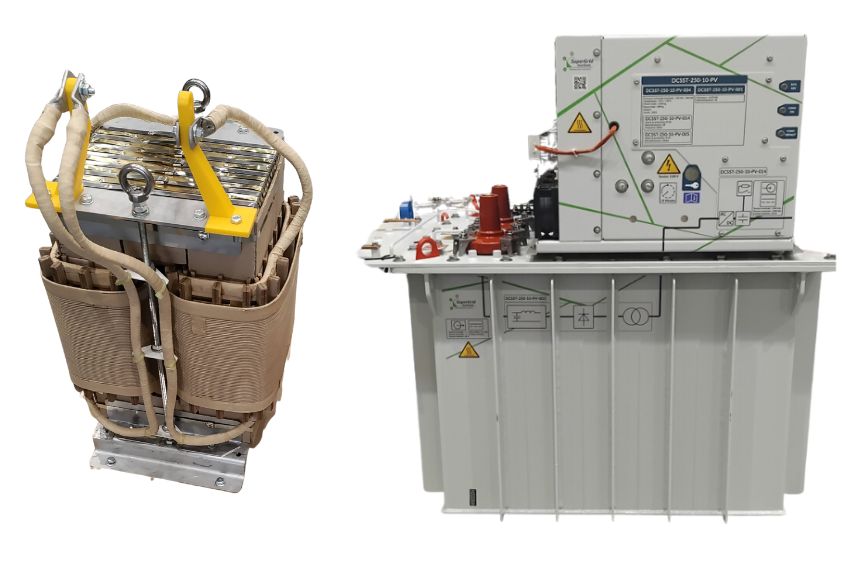
Medium-Frequency Transformers: The Critical Enabler of High-Performance Solid-State Transformers
Discover how medium-frequency transformers enable compact, efficient solid-state transformers and unlock next-generation MVDC applications.