

Libérez la flexibilité de vos actifs hydrauliques
Un ensemble de technologies et d’études pour les centrales hydroélectriques
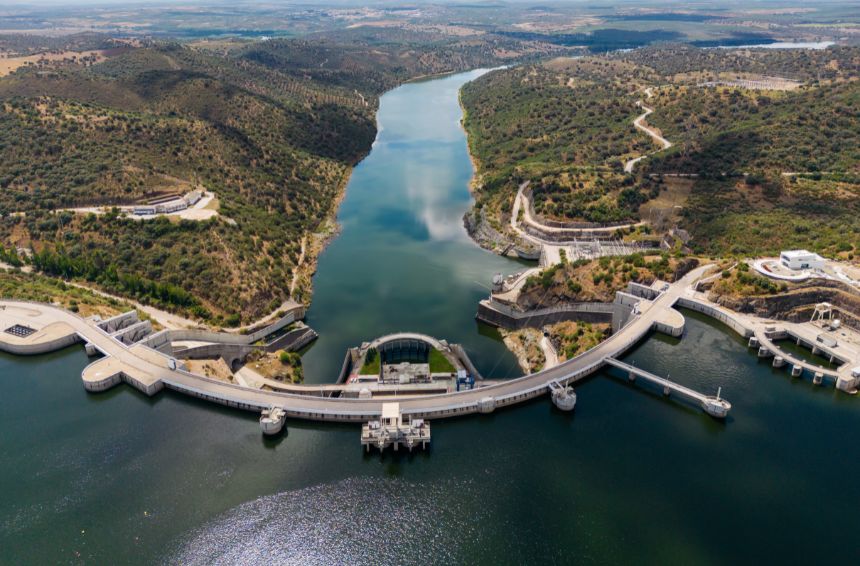
L’hydroélectricité est déjà l’une des sources d’énergie renouvelable les plus flexibles, mais l’évolution des exigences du réseau appelle une réactivité encore plus importante.
En améliorant les actifs hydroélectriques existants grâce à des technologies avancées, les exploitants peuvent débloquer une flexibilité supplémentaire et mieux soutenir la stabilité du réseau. Ces évolutions permettent notamment d’assurer des réponses en fréquence plus rapides et plus fiables, afin de répondre aux besoins croissants des systèmes électriques modernes.
En tant qu’entreprise indépendante d’innovation et de recherche, SuperGrid Institute fournit des études, des plateformes d’essais et des technologies innovantes liées à la performance hydroélectrique, au stockage et aux systèmes de flexibilité.
Accroître la flexibilité de la production d’électricité
Nous aidons nos clients à anticiper les futurs besoins de flexibilité des réseaux électriques et à augmenter leurs revenus en accédant aux nouveaux marchés émergents des services auxiliaires.
Anticiper le vieillissement prématuré de vos équipements
Optimiser la gestion de l’eau
Augmenter les revenus : accéder à de nouveaux marchés de l’énergie
Nous accompagnons les utilities, fabricants, EPC et développeurs dans l’optimisation de leurs actifs hydrauliques, qu’ils soient associés ou non à des énergies renouvelables.

Technologies innovantes d’hybridation
Nous avons développé des technologies innovantes d’hybridation pour créer de la valeur supplémentaire à partir de vos actifs hydroélectriques.
Hydroélectricité et systèmes de stockage d’énergie par batterie (BESS)
L’association de centrales hydroélectriques avec des systèmes de stockage d’énergie par batterie (BESS) améliore la flexibilité opérationnelle et soutient l’intégration des énergies renouvelables.
Grâce à des stratégies de contrôle avancées et à des systèmes de gestion de l’énergie (EMS), les solutions hybrides hydro-BESS peuvent renforcer les capacités de support au réseau, faciliter la fourniture de services auxiliaires et créer de la valeur supplémentaire pour les propriétaires d’actifs.
SuperGrid Institute fournit des études, des services de conception et de validation pour accompagner le déploiement de systèmes hybrides efficaces et fiables.
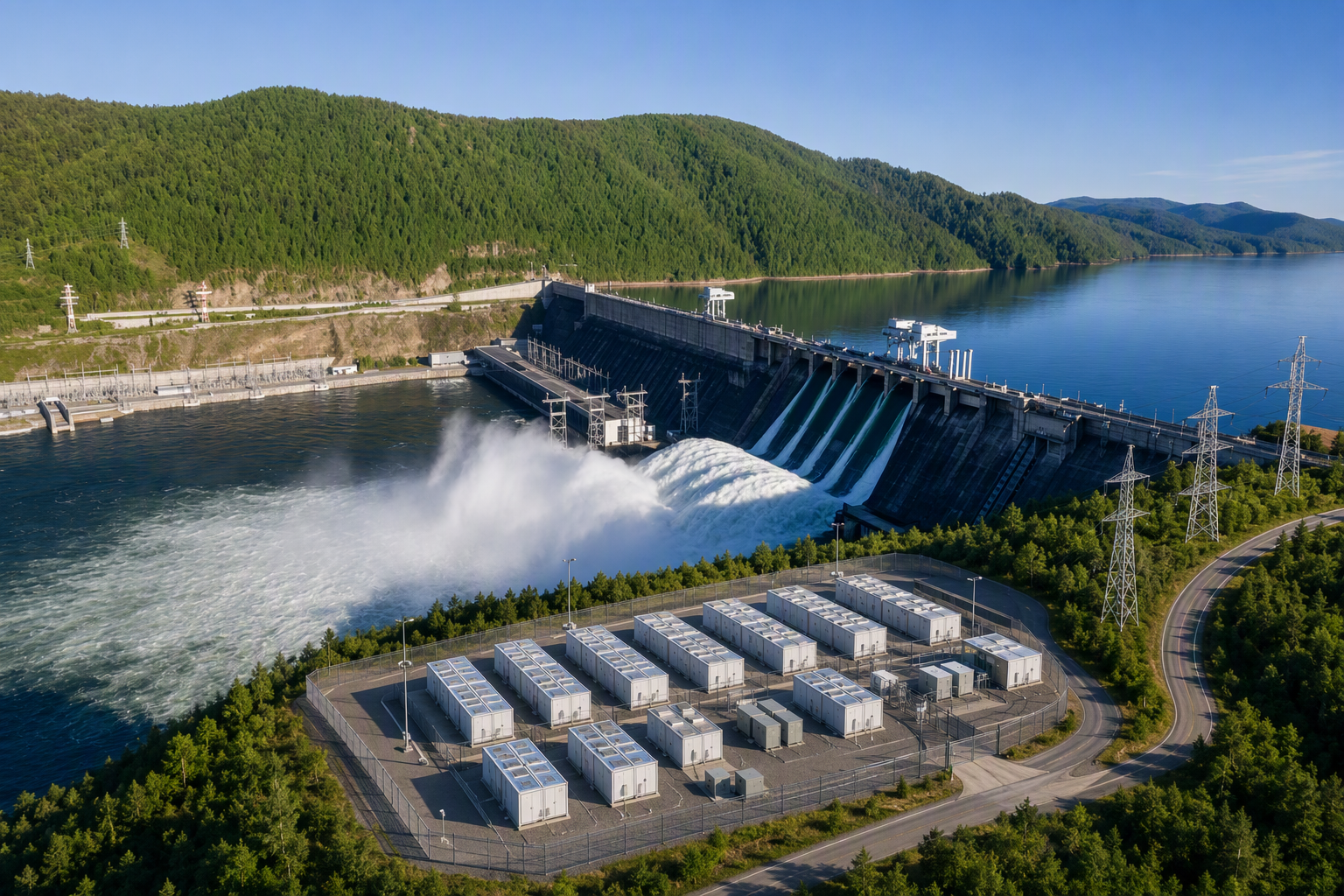
Hydro + BESS en bref
Un système de stockage d’énergie par batterie (BESS) ou des supercondensateurs peuvent être associés à une centrale hydroélectrique et coordonnés par un système de gestion de l’énergie (EMS) avancé. Le système hybride ainsi obtenu fonctionne comme un actif flexible unique.
Déployer le bon contrôle pour piloter une centrale hybride
Les producteurs d’électricité sont rémunérés pour la puissance et les services qu’ils fournissent afin d’alimenter le réseau électrique et d’en soutenir le fonctionnement. Cependant, la plage de fonctionnement de la plupart des centrales hydroélectriques comprend des zones mortes dans lesquelles l’exploitation n’est pas possible, en raison de limitations machine ou de contraintes entre groupes de production.
La solution de contrôle avancé de SuperGrid Institute élargit la plage de fonctionnement utilisable des actifs hydrauliques, aidant les exploitants à débloquer davantage de flexibilité et de valeur. Applicable aux centrales de pompage-turbinage (PSP), ainsi qu’aux turbines Francis et Kaplan, cette solution accompagne aussi bien les nouveaux projets que les programmes de rénovation.
Des études de faisabilité à la validation sur HydroPHIL®, en passant par l’accompagnement à la mise en œuvre, SuperGrid Institute accompagne ses clients tout au long du déploiement de la solution.
Apporter de la valeur au réseau, en contexte isolé comme interconnecté
À mesure que les systèmes électriques intègrent une part croissante d’énergies renouvelables, les actifs hydroélectriques doivent offrir davantage de flexibilité tout en conservant un fonctionnement efficace. L’association de l’hydroélectricité avec des solutions de stockage permet aux exploitants de mieux gérer la variabilité, de soutenir la stabilité du réseau et de créer de la valeur supplémentaire à partir de leurs actifs existants.
Dans les systèmes électriques isolés ou insulaires, maintenir l’équilibre entre production et demande peut être particulièrement complexe lors de l’intégration d’énergies renouvelables. Les solutions hybrides hydro-BESS apportent une flexibilité à réponse rapide, améliorent la qualité de l’alimentation et contribuent à maximiser la pénétration de l’énergie solaire et éolienne, tout en préservant les équipements hydrauliques. Cette hybridation permet également de réduire le recours à des moyens de production polluants, tels que les turbines à gaz ou les groupes diesel.
Applications clés en bref
• Intégration des énergies renouvelables
• Stabilité du réseau
• Performance renforcée
Pour les systèmes électriques interconnectés, l’hybridation renforce la capacité des centrales hydroélectriques à fournir des services de flexibilité, tels que le réglage de fréquence et la réserve secondaire. En coordonnant les actifs hydrauliques et le stockage par batterie grâce à des systèmes de contrôle avancés, les exploitants peuvent améliorer la valorisation de leurs actifs sur les marchés de l’énergie et optimiser leurs revenus.
Applications clés en bref
• Services auxiliaires
• Réserve secondaire
• Optimisation des revenus
Dans les réseaux distribués, les solutions hybrides hydroélectriques peuvent apporter une flexibilité locale, en particulier lorsque les moyens de production renouvelable sont connectés à proximité des zones de consommation. Les actifs de pompage-turbinage de petite taille, tels que les mini-PSP, peuvent contribuer à l’équilibrage de la production intermittente, au soutien de la stabilité locale du réseau et à l’amélioration de la performance économique globale du projet.
Applications clés en bref
• Mini-PSP
• Intégration des énergies renouvelables
• Flexibilité locale
• Performance économique renforcée
Nos références

Étude de solutions d’hybridation

Spécification et évaluation de rentabilité

Étude technico-économique d’hybridation

Amélioration de la flexibilité hydroélectrique
Ces contenus peuvent vous intéresser


Contacter notre experte
Camille Prud’Homme, Business Development Manager